
Short answer: online K-pop training is best for building foundations consistently, affordably, and from anywhere, especially when it includes feedback on your footage. In-person training is best for intensity, live correction, and studio experience once your foundations are ready. For most international trainees the strongest plan is both, in order: diagnose your level, train online, add personal coaching, then train in person in Seoul when you know what you need from it.
Quick comparison
| Online training | In-person training | |
|---|---|---|
| Location | Anywhere | A specific studio (e.g., Seoul) |
| Consistency | Easy to train weekly for months | Usually short, intense blocks |
| Cost factors | Lower; no travel or lodging | Higher; travel, lodging, time away |
| Feedback | Video-based; depends on the program | Live, instant correction |
| Intensity | You set the pace | Full studio days |
| Peers | Limited | Train next to others |
| Footage | Self-filmed | Professional studio shoots possible |
| Best for | Foundations, routine, steady progress | Acceleration, polish, studio experience |
What online training does best
- Consistency over months. Skill grows through regular repetition, and online makes that sustainable.
- Structure from anywhere. A good curriculum gives you the same sequence wherever you live.
- Camera habits. You film everything, which is exactly how most first auditions are judged.
- Lower barrier to start. You can begin, test fit, and adjust without relocating.
What online training can't do (and how to compensate)
- No one in the room. Compensate with scheduled feedback on your footage — weekly if possible.
- Easy to drift. Compensate with a fixed weekly schedule and monthly self-evaluations.
- No peers. Compensate with a cohort or community where you can see others' levels.
- Less pressure. Compensate by recording full-out "evaluation takes" as if they're real.
Online without feedback is mostly self-practice. Online with feedback is training.
What in-person training does best
- Instant correction. A trainer fixes your line or timing on the spot.
- Studio intensity. Long days build stamina and focus that are hard to replicate alone.
- Peer pressure (the useful kind). Training next to others shows you the real standard.
- Professional footage. A filmed studio performance is a strong asset.
What in-person training can't do
- Fix years of missing foundations in two weeks. Intensives accelerate; they don't replace steady training.
- Fit every schedule or budget. Travel and time away are real costs.
- Last forever. When the camp ends, you need a routine to keep progress.
That's why in-person works best after you've built a base.
Which should you choose?
- Complete beginner: start online with a structured curriculum. Get a level read early.
- Cover dancer or singer who's plateaued: online plus 1:1 feedback — you need correction more than more content.
- 6+ months of consistent training: add an in-person intensive to accelerate.
- Preparing a specific audition soon: online coaching on your exact tape, then submit.
- Very young trainee (Keens trains from age 5): online foundations with short, regular sessions.
The hybrid path most international trainees use
- Diagnose — a Level Check gives you a 0–10 score and roadmap.
- Train online — a structured curriculum such as K-TOP.
- Add coaching — weekly feedback with K-TOP 1:1.
- Go in person — a 14-day Seoul Summer Intensive when your foundations are ready.
- Return home with a plan — keep training online and submit auditions.
How Keens combines online and in-person
Keens Seoul is an in-person studio; Keens Academy brings the same curriculum, coaches, and 0–10 rubric online. The system was built by Jae Shim, who spent twenty years as Performance Director at SM Entertainment.
"Studying under Shim Jae-won was my dream." — Seulgi, Red Velvet
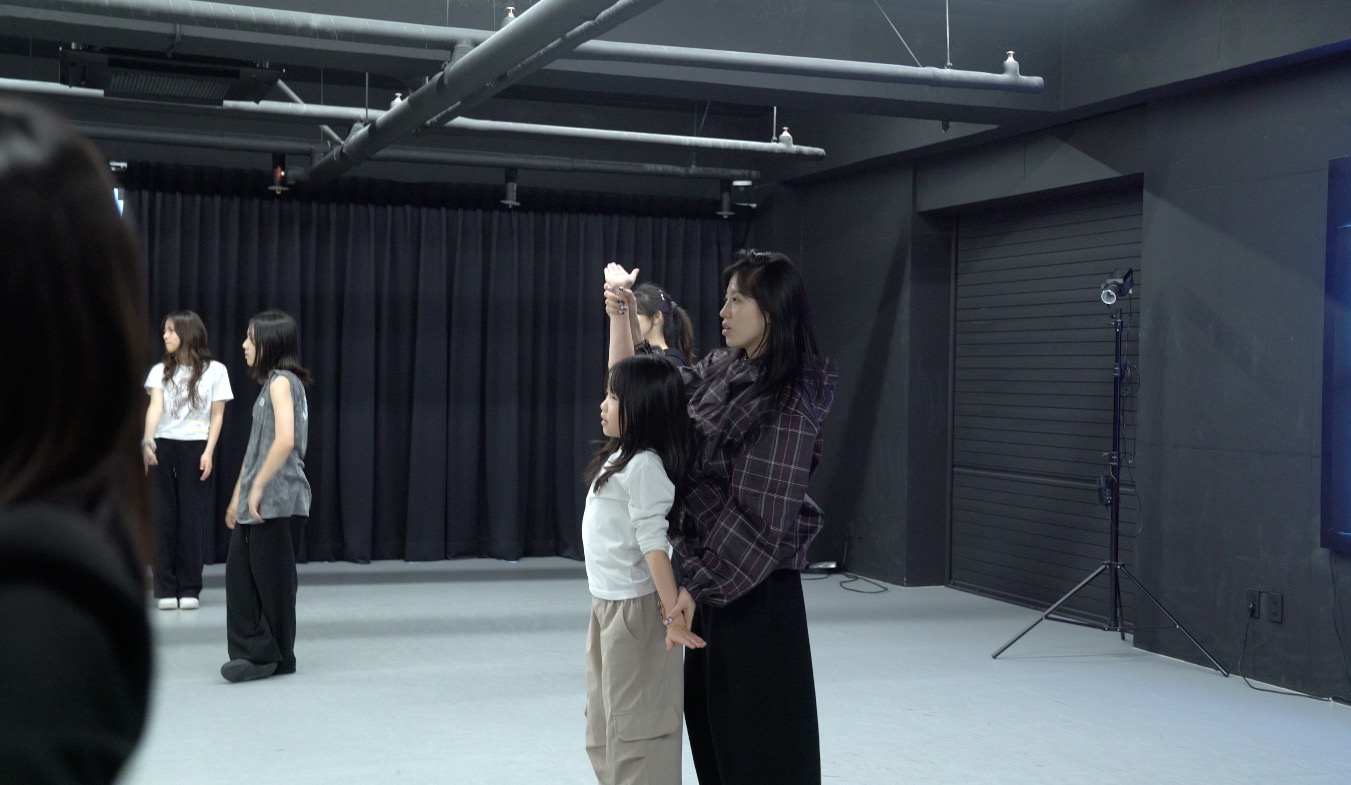
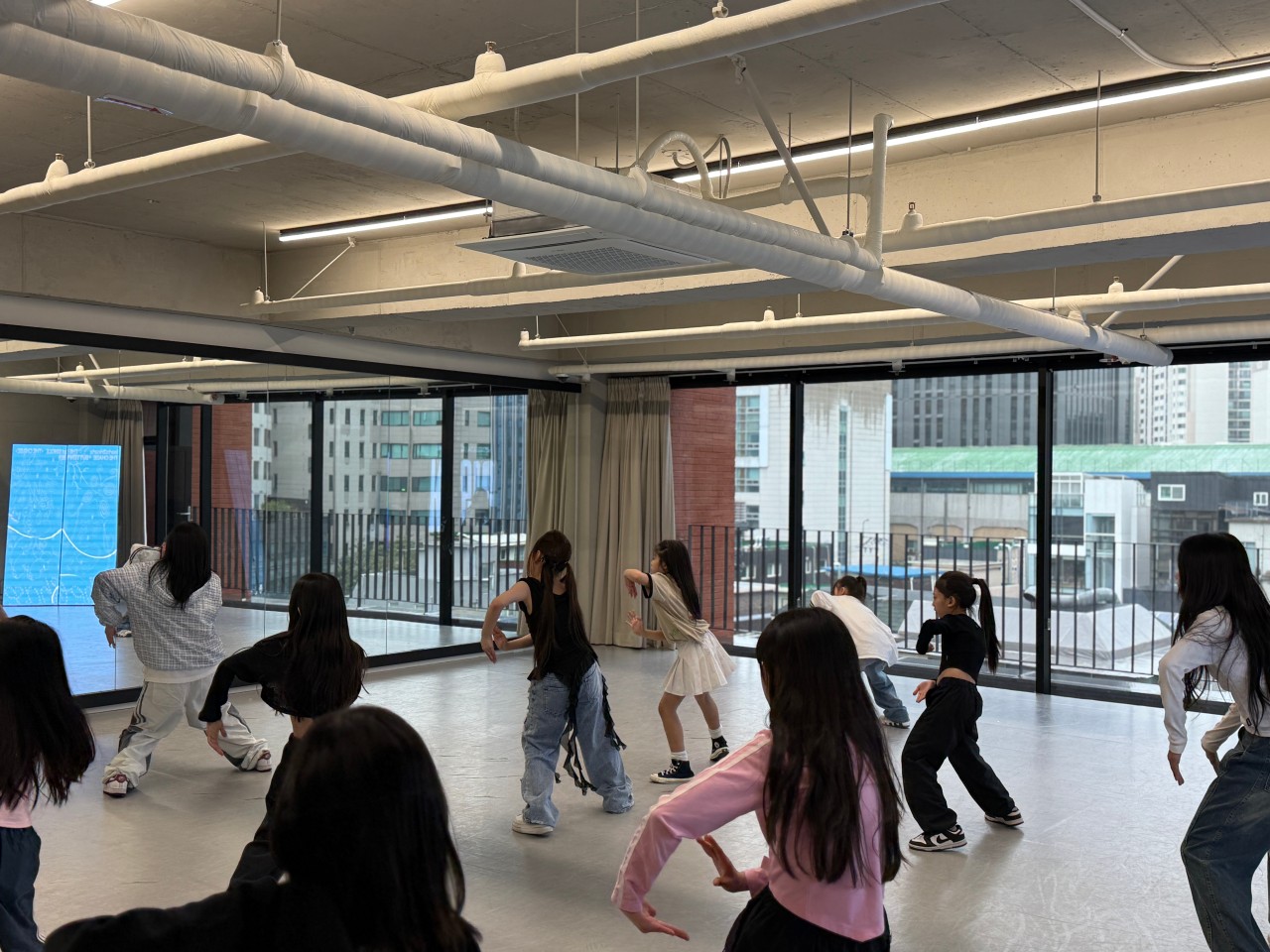
Most of Keens' 15,000+ trainees train from outside Korea. When they come to Seoul, they train on the Keens floor with coaching in English, five minutes from SM Entertainment HQ.
Neither format guarantees an audition or debut. Training improves your skills and your tape; audition visibility at Keens is merit-gated.
Find the right format for your level. Start with a Level Check, or start K-TOP online training.
Keep reading: How Much Does K-pop Training Cost? · K-pop Training Academy · Best Online K-pop Training Programs [2026]
FAQ
Is online K-pop training effective?+
Yes, when it's structured and includes feedback on your footage. Without feedback, progress tends to stall.
Is in-person training in Korea better?+
It's more intense, but not automatically better. It works best after you've built foundations online or locally.
Can I become an idol with only online training?+
Many first auditions are online submissions, so online training can get you audition-ready. Agency trainees then train in person.
Which is cheaper?+
Online, usually, because there's no travel or lodging. See K-TOP online training at https://www.keensacademy.com/#stage-2.